
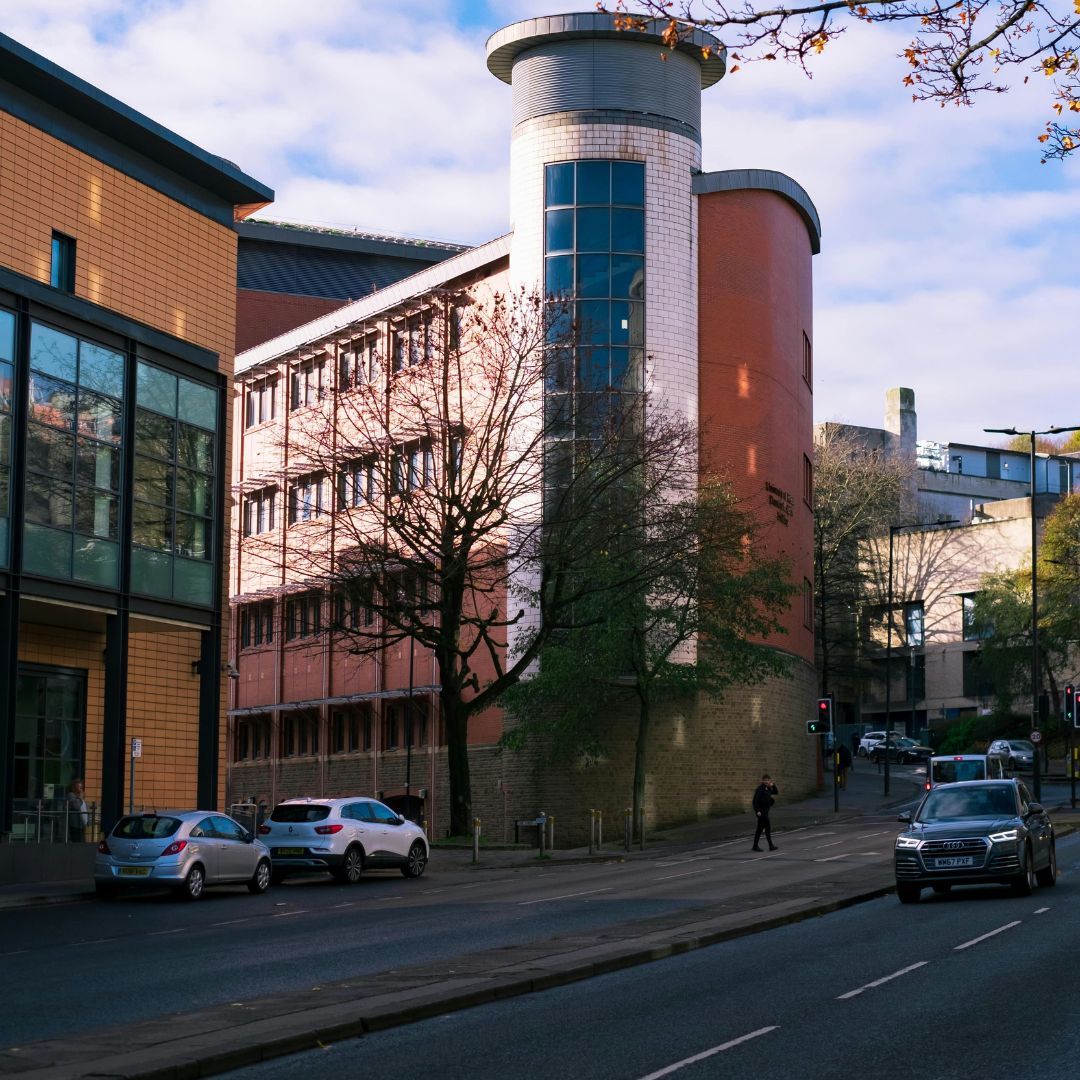
Urban Construction Logistics: Managing Site Sequencing and Access in Central Bristol
Urban construction in central Bristol rarely fails because a team can’t build. It fails because the site can’t breathe. Access is tight, storage is limited, neighbours are close, and the street keeps moving around you. Add deliveries, parking suspensions, and noise constraints, and the programme can drift fast if nobody controls the logistics.
In other words, urban construction is a sequencing exercise as much as it is a building job. A well-run site feels calm. Materials arrive when they’re needed, not a week early. Trades work in planned waves, not on top of each other. Most importantly, the local area stays on-side because the project team behaves like a professional guest, not a disruption.
For Lime Construction Group, this is where good oversight shows. Working across Bristol, Bath and the wider South West UK, we plan around the real-world constraints that come with city-centre sites. The goal is simple: keep the site safe, keep the programme moving, and keep disruption under control.
Why “tight sites” change everything in urban construction
City projects don’t give you the luxury of a compound, a laydown area, and free parking. Sometimes the only “site” is the building footprint and a narrow pavement outside. Because of that, clutter becomes a hazard quickly. It blocks routes, slows trades, and increases the chance of damage.
Instead, the site needs a working rhythm. Clear walkways matter. Storage needs boundaries. Materials also need protection from weather and theft. In practice, a tight site runs best when the team treats space like a limited resource and plans every square metre.
Just as importantly, tight sites amplify small mistakes. If a delivery arrives early, there’s nowhere to put it. If waste builds up, it restricts access. As a result, the build slows down even when the work itself is straightforward.
Site sequencing: the difference between progress and gridlock
On urban jobs, sequencing isn’t a spreadsheet exercise. It’s the day-to-day method that stops the programme from choking. Each phase needs a clear start, a clear finish, and a defined handover to the next trade.
For example, strip-out and enabling works must finish cleanly before first-fix services ramp up. After that, the first-fix needs testing before walls close. Only then do second-fix and finishes make sense. When a project ignores that order, rework follows. Rework creates dust, noise, and delay, which then creates complaints and restrictions.
A practical sequencing approach usually includes:
- Enabling works first: protection, temporary lighting, safe access routes and welfare
- First-fix services with planned routes: electrical containment, plumbing runs, ventilation paths
- Inspection and testing before closure: fire stopping checks, pressure tests, electrical testing
- Finishes only when the building is stable: plastering, joinery, flooring and decoration
- Snagging with minimal trades on-site: fewer people, clearer accountability
Consequently, the site stays productive without feeling chaotic.
Access planning in central Bristol (and why it needs attention early)
Central Bristol has its own pressures: narrow roads, permit zones, busy pavements, and limited loading windows. Bath brings steep streets, heritage constraints, and tight access again. Either way, access planning needs to start before work starts.
A good access plan typically covers:
- delivery routes and unloading points
- working hours and restricted periods
- storage locations and protection measures
- pedestrian management around the entrance
- emergency access routes that remain clear
Where required, this also includes scaffold licences, skip permits and parking suspensions. Importantly, those items have lead times. So, leaving them late can stall the programme before it even begins.
Deliveries and waste: the “invisible” programme that drives the build
Every site has two programmes running side by side. One is the build. The other is logistics: deliveries in, waste out, and materials moving through the building. In urban construction, that second programme often decides whether the job stays on track.
Rather than bulk ordering, city projects usually benefit from “just-in-time” deliveries. Materials arrive closer to installation, which keeps the site safer and reduces handling. It also improves quality because finishes don’t sit around getting knocked or exposed to moisture.
Waste needs the same discipline. A single skip left in the wrong place can block access and irritate neighbours. Smaller, more frequent collections often work better. Additionally, clear segregation helps keep costs predictable and reduces the risk of a messy site.
Multi-trade coordination in small spaces (without trade stacking)
When rooms are small, trade stacking becomes tempting. Everyone wants to “get on”. However, three trades in one room rarely speeds anything up. It slows the job, increases snags, and raises safety risk.
Instead, productivity improves when the site runs in focused waves. First-fix services take priority. Then the general build closes up. After that, second-fix follows with a tighter team. Meanwhile, testing and sign-off happen as you go, not at the end when fixes are harder.
Because Lime coordinates multiple trades, we can plan those handovers properly. As a result, the electrician isn’t waiting for the carpenter, and the plumber isn’t cutting into finished work. The build stays cleaner, and the programme stays more reliable.
Keeping neighbours on-side: noise, dust, and reputation
In Bristol and Bath, the site sits close to homes, offices, and busy footfall. That proximity changes the standard of site behaviour. It also changes the cost of mistakes.
Good neighbour management isn’t “nice to have”. It protects the programme. Clear hoarding, tidy walkways, and sensible working hours reduce friction. Likewise, dust control and daily clean-downs keep shared spaces usable. When the area sees a well-managed project, complaints drop and cooperation rises.
Communication helps too. A quick note ahead of a noisy activity sets expectations. Similarly, a clear point of contact stops small issues becoming formal complaints. Consequently, the project keeps moving with fewer interruptions.
Compliance and permits: admin that protects the build
Urban sites carry more administrative risk than most people expect. Depending on location and scope, you may need:
- scaffolding licences
- skip permits
- parking suspensions or bay reservations
- traffic management (where a road or pavement needs control)
- noise agreements in sensitive areas
These aren’t box-ticking exercises. They set the rules the site must follow. When the paperwork is wrong or missing, delays happen fast. For that reason, we treat compliance as part of the programme, not an afterthought.
What “good” looks like on an urban construction site
A controlled city-centre project has a few consistent signals. The access route stays clear. Materials sit where they should, labelled and protected. Deliveries arrive in planned slots. Waste leaves before it builds up. Finally, trades move through the building in a sequence that avoids clashes.
That’s the practical side of urban construction. It’s not glamorous, but it is the difference between a smooth project and a stressful one. With the right oversight, even the tightest Bristol site can run with structure and calm.