
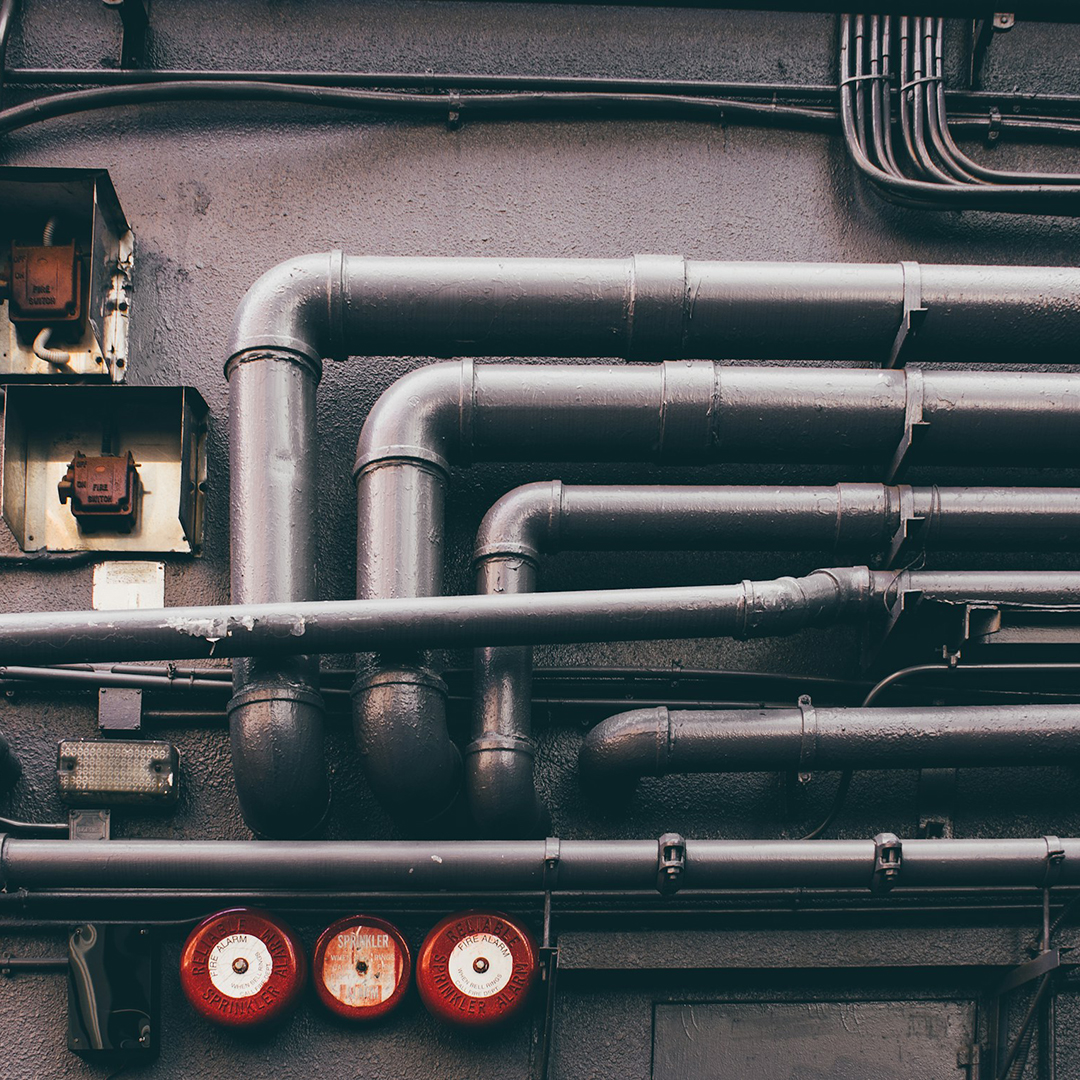
Why Frozen Pipes Are a Common Winter Problem in Bristol
Every winter, homeowners across Bristol experience plumbing emergencies caused by frozen pipes. As temperatures drop, water inside pipework can freeze, expand, and place pressure on the pipe walls. When the ice thaws, pipes can crack or burst, often leading to flooding and costly repairs.
The key point to understand is that frozen pipes in Bristol are rarely unavoidable. In most cases, they result from a combination of cold weather, exposed pipework, and lack of preparation. With the right preventative measures in place, the risk can be reduced significantly.
Which Homes Are Most at Risk of Frozen Pipes in Bristol
While any property can experience frozen pipes, some homes are more vulnerable than others. Understanding these risk factors helps homeowners take targeted action.
Properties most at risk include:
-
Older homes with limited insulation
-
Homes with pipework in lofts or garages
-
Properties with external pipe runs
-
Homes left unoccupied for extended periods
Because Bristol has a mix of historic and modern housing, many properties include older plumbing layouts that require extra attention during winter.
How Cold Weather Causes Pipes to Freeze
When temperatures fall below freezing, water inside pipes can begin to freeze. As it freezes, water expands, placing pressure on the pipe from the inside. If the pipe cannot accommodate this expansion, it may crack or split.
The most common locations for frozen pipes include:
-
Loft spaces
-
Garages
-
Under-sink cupboards
-
External walls
Preventing frozen pipes involves keeping these areas warm enough to stop freezing from occurring.
Practical Steps to Prevent Frozen Pipes in Bristol
Preventative action does not need to be complex. A number of simple steps can dramatically reduce the risk of frozen pipes during winter.
Homeowners should consider:
-
Insulating exposed pipework with proper pipe lagging
-
Keeping low-level heating on during freezing conditions
-
Opening cupboard doors where pipes run underneath sinks
-
Sealing drafts around doors and external walls
By focusing on these areas, homeowners reduce the likelihood of plumbing emergencies caused by frozen pipes.
What to Do During Prolonged Cold Spells
Extended periods of cold weather increase the risk of freezing, especially overnight. During these times, additional precautions can be beneficial.
These include:
-
Setting heating timers to maintain a consistent temperature
-
Checking external taps and isolating them if possible
-
Ensuring loft hatches are properly sealed
-
Asking someone to check the property if it is unoccupied
These measures provide extra protection during the coldest periods of winter.
Warning Signs That Pipes May Be Freezing
Early warning signs often appear before pipes fully freeze or burst. Recognising these signs allows homeowners to act quickly.
Common indicators include:
-
Reduced water flow from taps
-
Unusual noises in pipework
-
Frost on visible pipes
-
No water coming from a tap
If any of these signs appear, it is important not to force taps open, as this can increase pressure within the pipe.
When to Call a Professional
If homeowners suspect pipes have frozen or are at risk of bursting, professional advice should be sought promptly.
Attempting to thaw pipes incorrectly can cause damage. Professional plumbers can assess the situation safely and recommend the most appropriate solution.
Lime Construction supports homeowners by providing coordinated plumbing and heating services, ensuring winter issues are resolved efficiently and safely.
Why Prevention Is Better Than Emergency Repairs
Emergency plumbing repairs are often more disruptive and expensive than preventative measures. Burst pipes can damage flooring, walls, and electrical systems, leading to extended repair works.
By taking steps to prevent frozen pipes in Bristol, homeowners protect not only their plumbing systems but also the wider structure of their property.
According to the UK Government’s winter property guidance, preventative maintenance plays a key role in reducing cold-weather damage.
? https://www.gov.uk/prepare-for-winter
In Summary: Stay Ahead of Winter Plumbing Problems
Frozen pipes are one of the most common winter plumbing emergencies, yet they are also among the most preventable.
By preparing early, insulating vulnerable areas, and monitoring properties during cold weather, homeowners can significantly reduce risk and avoid costly repairs.
A proactive approach today helps ensure winter remains a season of comfort rather than disruption.
Concerned about frozen pipes this winter?
Call 0117 251 0405 or visit lcg-ltd.co.uk to speak with the Lime Construction team.