
Plumbing compliance doesn’t get much attention — until something goes wrong. For Bristol landlords with commercial units, offices, or mixed-use buildings, staying on top of plumbing and water safety rules isn’t just good practice. It’s the law, and getting it wrong can cost you. Here’s a simple breakdown of what’s actually required, and how to stay on top of it.
Why This Matters
Commercial buildings carry more risk than a single rented home. Bigger water systems, shared areas, more people using the building — all of this raises the chance of something going wrong, from a failed gas check to legionella growing in water that’s sat unused. As a landlord, you’re usually still responsible for the shared plumbing, heating, and boiler systems, even if your tenants look after the space they use day to day.
If compliance slips, you could face enforcement action, an invalid insurance policy, disputes with tenants, or in serious cases, legal trouble. It’s far cheaper to stay on top of it than to deal with the fallout.
Gas Safety Comes First
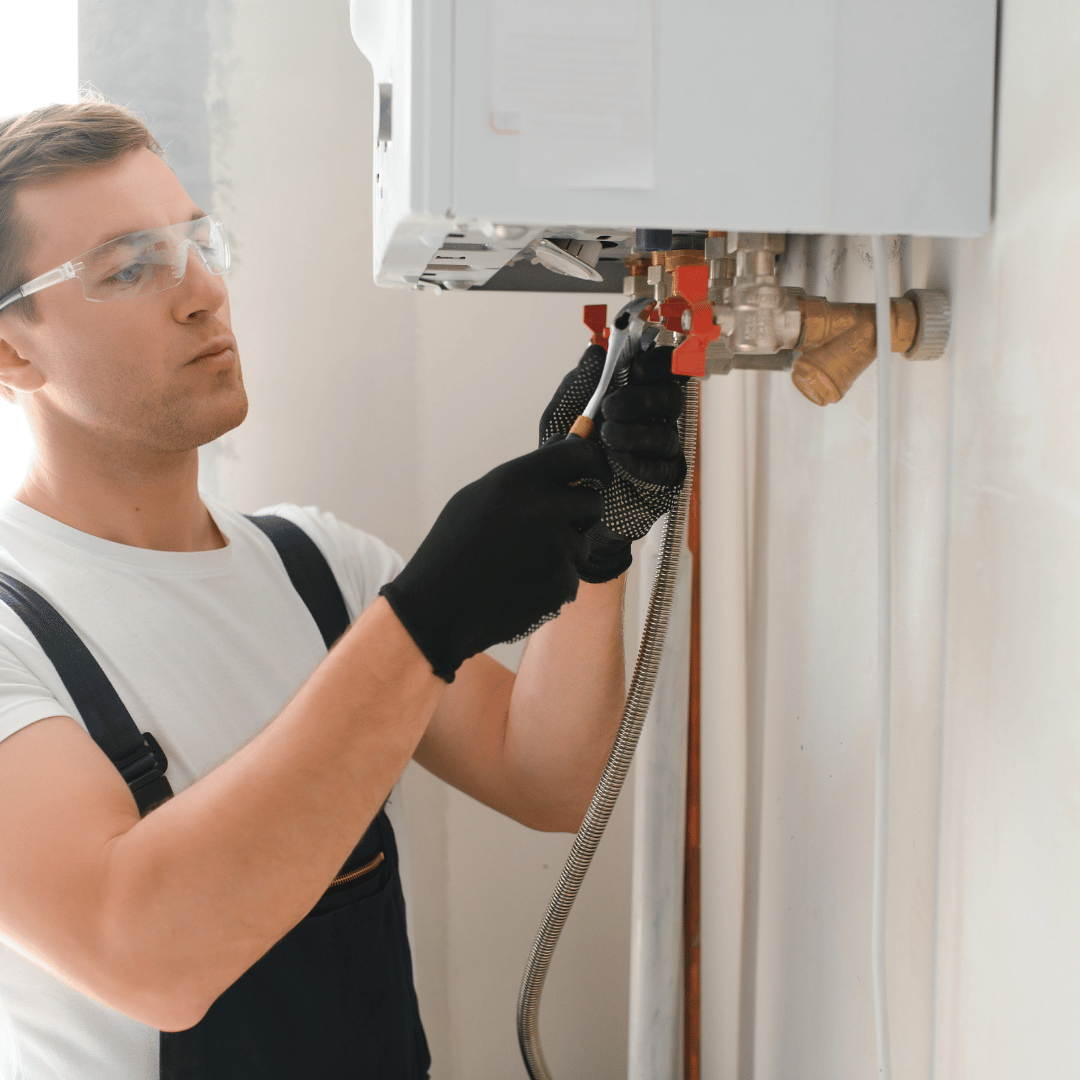
Every gas appliance, boiler, or heating system in a commercial building needs a yearly service by a Gas Safe registered engineer, with a valid safety certificate kept on record. This applies whether the building is fully let, partly let, or used for a mix of things. Checks are being enforced more strictly than before, so it’s not enough to say the work was done — you need proof.
Legionella and Water Safety
Any building with a water system carries some risk of legionella, and landlords have a legal duty to check for it and manage it. In practice, this means:
- Getting a legionella risk assessment done for the water system
- Checking water temperatures regularly in tanks and taps
- Running water through taps that aren’t used often, to stop it going stagnant
- Keeping records and reviewing them, especially if the building’s use changes
This matters even more for buildings with rooms that aren’t used all the time, seasonal spaces, or older pipework — all fairly common in Bristol’s commercial buildings.
Backflow Prevention
Backflow prevention is getting more attention lately, especially in commercial and mixed-use buildings where the risk of contaminated water is higher. This usually means fitting and testing the right devices (often called RPZ valves) to stop dirty water flowing back into the clean water supply. Water companies are asking for proper, documented testing now — skipping this can lead to enforcement action or your system being shut down.
Basic Standards You Still Need to Meet
Beyond the technical checks, commercial tenants still expect the basics: working heating, decent plumbing, proper sanitation. If you’re responsible for the shared or structural plumbing, it needs to be kept in good working order — not just to keep tenants happy, but to avoid genuine legal risk.
Your building also needs to meet minimum energy efficiency standards, which ties in closely with how well your heating system performs.
A Simple Compliance Routine
Rather than scrambling once a year, it’s easier to build compliance into a regular routine:
- Book your annual gas safety check with a Gas Safe registered engineer well before it’s due
- Get a legionella risk assessment done, and review it if anything about the building changes
- Test backflow prevention devices where they’re needed, especially on larger systems
- Service your boiler and heating before winter hits, when breakdowns cost the most
- Keep clear records of everything, in one place, ready to show if you’re ever asked
This is the same thinking behind getting your heating checked before winter — sort it out early, rather than waiting for something to break.
Get One Team to Handle It All
One of the biggest headaches for landlords is juggling different contractors for gas, water, and electrical checks — it makes it much harder to keep everything on record in one place.
Our Gas Safe registered plumbing and heating services are built around exactly this — covering commercial and social housing compliance, from routine servicing to full installations. Combine that with our electrical safety and testing services, and Bristol landlords get one team to call for the systems that carry the most legal risk.
Not sure if your plumbing compliance is where it should be? It’s worth checking before it becomes a bigger problem. Get in touch with the Lime Construction team, or take a look at more compliance and safety guides from us.