
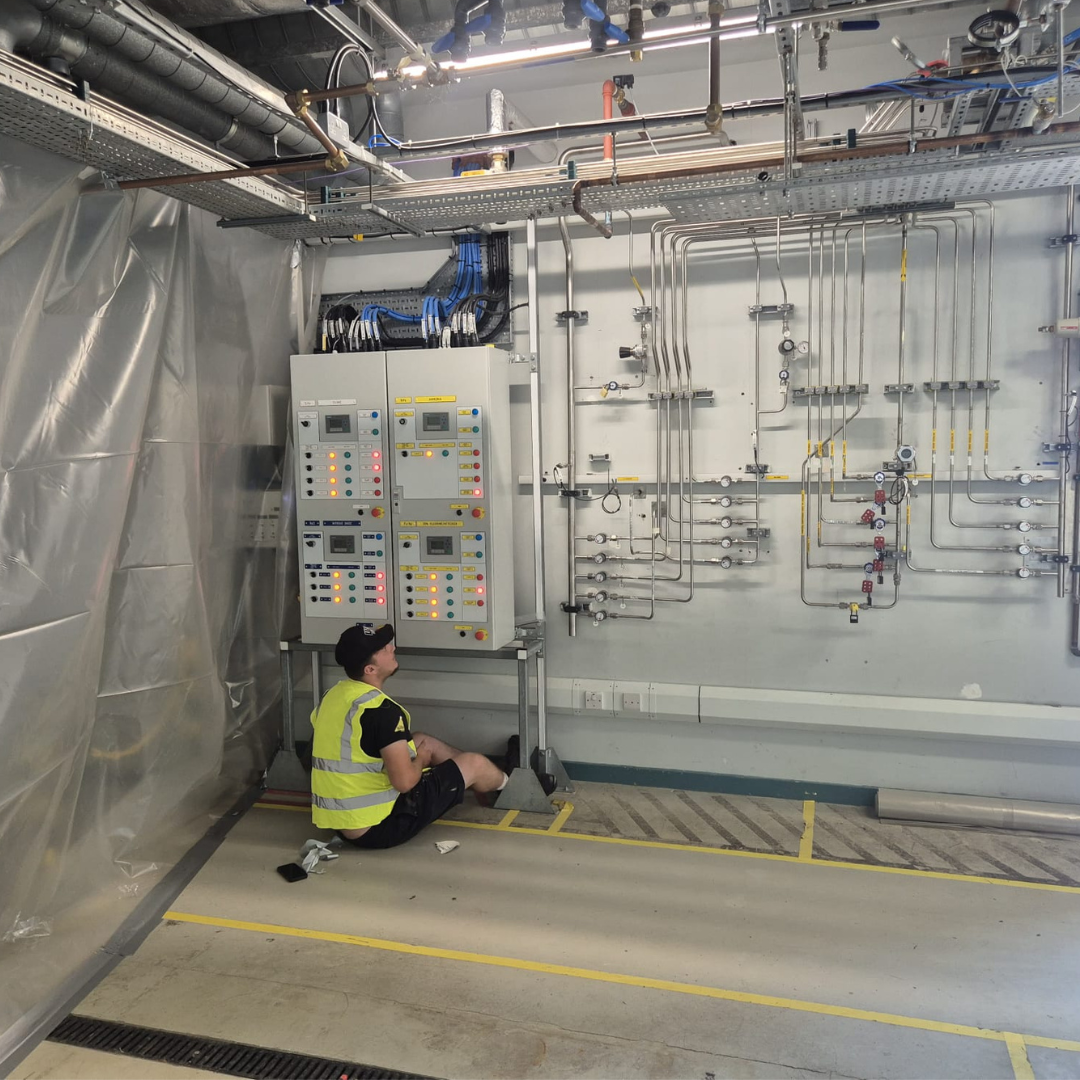
Bristol has no shortage of mechanical and electrical contractors, but choosing the right one can be the difference between a compliant, well-running building and one that’s constantly firefighting faults, failed inspections, or unexpected downtime. Whether you’re a facilities manager, landlord, or property owner, here’s what actually matters when selecting an M&E contractor — and what to steer clear of.
Why the Right M&E Contractor Matters More Than It Seems
Mechanical and electrical systems sit behind almost everything that keeps a building running — heating, power, ventilation, lighting, and safety systems all depend on them. Get the wrong contractor, and problems don’t just show up as inconvenience; they show up as compliance failures, insurance issues, and costly emergency callouts. Get the right one, and M&E becomes something you barely have to think about.
What to Look For in an M&E Contractor
Proper Accreditation and Certification
This is non-negotiable. Any M&E contractor working on your building should hold relevant industry certifications — Gas Safe registration for gas and heating work, NICEIC or equivalent accreditation for electrical work, and evidence of ongoing compliance training. If a contractor can’t produce this readily, that’s a warning sign, not a minor detail.
Experience Across Both Mechanical and Electrical Disciplines
M&E genuinely covers two distinct skill sets — mechanical systems like heating, plumbing, and ventilation, and electrical systems like power, lighting, and testing. A contractor who can deliver both under one team, rather than subcontracting one half out, tends to mean fewer coordination gaps and clearer accountability when something needs fixing.
A Track Record With Similar Buildings
Commercial premises, social housing, and industrial buildings all carry different M&E demands. A contractor with genuine experience across the type of property you manage will understand the compliance requirements and practical constraints specific to it — rather than applying a generic approach and hoping it fits.
Clear Documentation and Compliance Records
A good M&E contractor doesn’t just do the work — they document it properly. Certificates, inspection records, and maintenance history should be organised and easy to produce, not something you have to chase down every time an auditor or insurer asks for evidence.
Responsiveness and Communication
M&E issues don’t always happen during office hours. A contractor who’s clear about response times, communicates proactively, and doesn’t disappear between jobs makes a measurable difference to how smoothly your building runs day to day.
What to Avoid
- Unusually low quotes with no clear scope — M&E work priced well below the market rate is often a sign of corners being cut, whether that’s on materials, certification, or actual time on site.
- Vague answers about accreditation — if a contractor is hesitant to confirm current certifications, treat that as a red flag rather than an oversight.
- No planned maintenance offering — a contractor who only does reactive, one-off callouts isn’t set up to help you avoid the next breakdown, only respond to it.
- Single-trade specialists presenting as full M&E — some contractors handle only electrical or only mechanical work but market themselves more broadly. Ask directly what’s covered in-house versus subcontracted.
What to Expect on Cost
M&E costs vary significantly depending on the scale of the building, the age and condition of existing systems, and whether you’re looking at routine servicing or a larger installation or upgrade project. As a general principle, the cheapest quote rarely reflects the true cost once compliance gaps, rework, or emergency callouts are factored in. A transparent contractor should be able to walk you through what’s included in a quote — labour, materials, certification, and any ongoing maintenance — rather than leaving you to work it out after the invoice arrives.
This is the same reasoning behind choosing the right construction company more broadly — value isn’t about the lowest number on a quote, it’s about what you’re actually getting for it.
Planned Maintenance vs. One-Off Repairs
The strongest M&E relationships tend to move away from reactive, emergency-only callouts and toward a planned servicing schedule — regular inspections and maintenance that catch issues early, rather than waiting for a failure. This approach also protects the building’s fabric more broadly, since M&E systems and building fabric are closely linked — a failing heating system or unmonitored plumbing can accelerate structural wear over time.
Choosing a Contractor Built Around This
At Lime Construction Group, our Mechanical & Electrical services are delivered in-house across both disciplines, with full accreditation, clear documentation, and planned maintenance options built in from the start — not bolted on after the fact. If you’re weighing up options for your Bristol property, get in touch with our team to talk through what your building actually needs.